
Watermelon is a sign of summer. I love it! I could eat watermelon every day of the year if it were available. When I was a child my Daddy, G. H. ‘Shorty’ Lewis, grew watermelons, among other things, in his backyard garden. On a hot summer day you could go into the back yard and pick a watermelon, break it open and eat it. I’ve even recently discovered watermelon juice. It’s lovely to drink and a nice addition to cocktails.
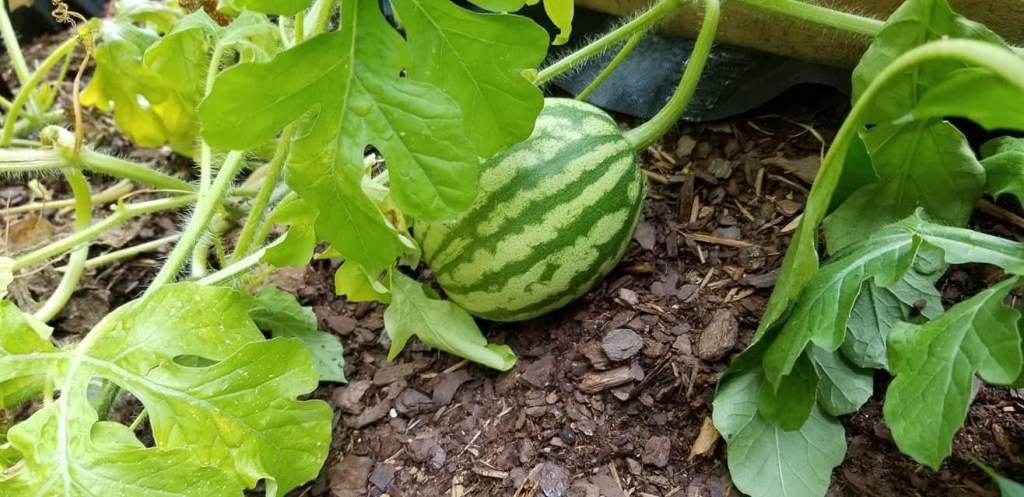
In addition to being very tasty, watermelon is good for you. There are many health advantages to eating watermelon. Watermelon is a disease fighter high in lycopene, is nutritious, a good source of hydration, supports eye and skin health and helps with muscle soreness among other things.
Did you know that the watermelon is also a symbol of black economic self reliance? After the emancipation proclamation, freed slaves farmed, ate and sold watermelons. The watermelon came to represent their resourcefulness and ability to support themselves, and gain wealth. It was a representation of their freedom.
Even today, during the summer months, it is not unusual to see a truck on the side of road with the ‘watermelon man‘ – an African American gentleman selling watermelons. For some, this tradition has been passed down for generations. Herbie Hancock explains that his memory of these ‘watermelon men’ walking through the streets of Chicago selling watermelons was the inspiration for his hit song Watermelon Man.
The pride and economic resourcefulness of the newly freed slave was repulsive and evoked a backlash from Southern whites. Threatened by the newly freed status of their former slaves, they launched a systemic campaign creating a false narrative associating the watermelon with the racist trope of Black people who were lazy, shiftless, dirty and a public nuisance. Far from fact.
This negative association still continues to this day. Inevitably, every February during Black History Month there is controversy met with consternation and conversation because some company is serving watermelon on their cafeteria menu. It is time to reframe the place that the watermelon holds in the Black American story holding forth the truth of the matter – watermelon as a symbol of black economic ingenuity.
 independently-iris.com